

A Guide for Multifamily Apartment Building Owners wanting to Sell Fast
By Jonas Judd, REALTOR® | CalDRE# 01887356
I get a lot of inquiries through my website from Bay Area investment property owners who want to sell rental property fast. Some are ready to retire, some are settling an estate, and some simply want to put their equity to work somewhere else.
I start by telling them that finding a buyer quickly is rarely the hard part.
Speed comes from removing the problems that make buyers slow down, renegotiate, or walk away. That means pricing the building based on its income, having your documents and disclosures ready before you go to market, and choosing offers from buyers who can actually close.
Whether you own a duplex, a triplex, or a larger apartment building, I'll walk you through how long a sale really takes, when a cash offer makes sense, and how to shorten the transaction timeline without surrendering the value you've built.
The good news is that market conditions favor prepared sellers right now. CBRE reports that Bay Area multifamily occupancy reached 97.2% in Q2 2026, with rents up 7.7% year over year, while $2.3 billion in sales closed in the first half of the year. It also points to limited inventory as the reason sales dipped slightly from the prior quarter.[1] In other words, buyers are looking, and there aren't many buildings for them to buy.
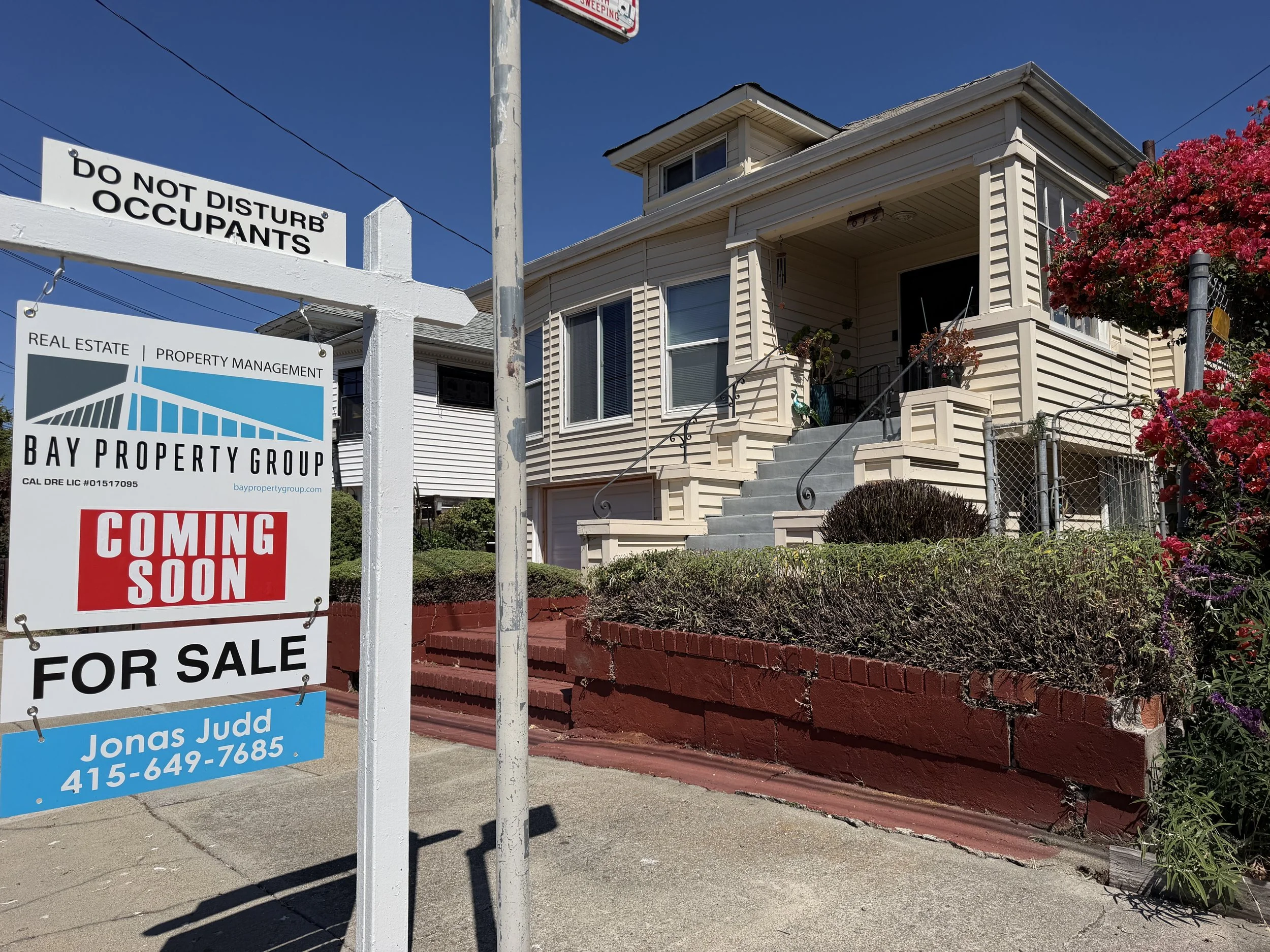
Our new FOR SALE signage at a recent sale in Oakland.
How Long Does it Take to Sell a Rental Property in the Bay Area?
The answer to this question depends mainly on the size of the building and how prepared the seller is. For comparison, the median time on market for a single-family home in San Francisco was 21 days in September 2026, according to the California Association of REALTORS®.[2]
In my experience, income properties take longer because buyers and lenders review the building's finances, tenancies, and disclosures as well as its physical condition.
Apartment Buildings With 5 or More Units
Rental properties with five or more units are generally treated as multifamily in the lending market,[3] and buyers usually need a commercial loan.[4] These buyers look closely at net operating income, rent rolls, and expenses. The due diligence period is negotiated in the contract, and in my experience it usually runs 3 to 6 weeks, so organized documents and disclosures can save real time. The rest of the timeline depends heavily on the buyer's financing, since a commercial loan takes longer to underwrite than a cash purchase.
Duplexes, Triplexes, and Fourplexes
Properties with two to four units may qualify for traditional residential financing, which gives them a wider pool of potential buyers.[4] Some buyers plan to live in one unit, while others are buying purely for income. From listing to close, I typically see a duplex, triplex, or fourplex sell in about 2 to 6 weeks.
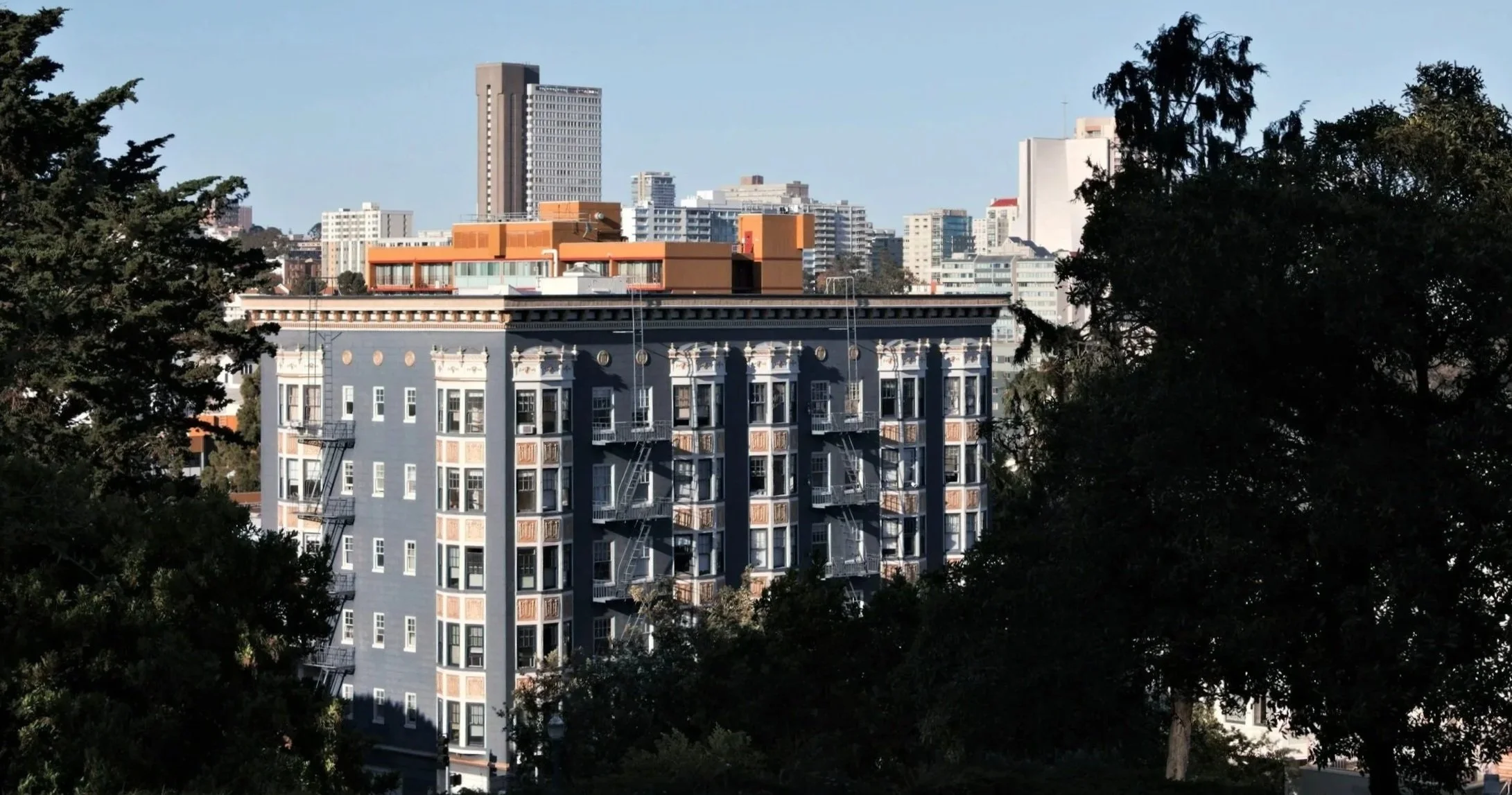
Typical San Francisco early 1900s apartment building.
Cash Buyer or Multifamily Specialist: What's the Best Way to Sell Fast?
If you've searched for a fast sale, you've probably seen companies offering to buy your rental property for cash. Before you call one, it's worth understanding what that speed costs and what your other options are.
What "We Buy Houses" Offers Promise
The pitch is simple: no repairs, no agent fees, tenants can stay, and a closing in a few weeks. For the right property, those are real benefits, and I never tell an owner to dismiss them out of hand.
What Speed can Cost on an Income Property
These companies make their money by buying below market value. The discount covers their repairs, resale risk, holding costs, and profit. On a single-family home, that gap can be significant. On an apartment building, it can be enormous: on a $5 million building, every 10% discount is $500,000.
Income also changes the equation. At a 5% cap rate, each additional $10,000 in annual net operating income supports about $200,000 in value. Cap rates vary, and Matthews reported a 4.82% average for San Francisco in Q2 2026.[5] A buyer pricing your building as a quick flip may not pay for that income the way a multifamily investor will. When an owner tells me they've received a cash offer, the first thing I do is compare it with what the building's income actually supports.
When a Cash Offer Makes Sense
A direct cash sale can be the right call when a building has serious deferred maintenance, title or ownership complications, or a hard deadline that a financed buyer can't meet. If you consider one, compare written offers side by side, ask for proof of funds, and find out whether the buyer can assign the contract to someone else.
It also helps to separate "cash buyers" from buyers paying cash. Private investors and family offices are among the groups drawn to the Bay Area's tight apartment market,[6] and a well-capitalized investor may pay closer to full value and still move quickly.
Speed comes from preparation. When a building's documents and disclosures are ready on day one of listing, serious buyers can make a decision, and sellers don't have to surrender value just to get to the closing table.

Pro Tip: Want to sell faster? Get your paperwork in order first.
7 Steps to Sell Your Bay Area Multifamily Property Faster
These are the steps I take with every seller who wants a fast, clean sale:
1. Assemble Your Rent Roll and Financials
Obtain the most current rent roll, 12 to 24 months of income and expense statements, utility bills, insurance, and property tax records. Buyers and lenders will ask for all of them, so having them ready reduces delays in escrow.
2. Organize Tenancy and Compliance Records
Obtain copies of all leases, rent increase notices, and any tenant correspondence or disputes. Check on required inspections as well. California requires buildings with three or more units to have wood-supported balconies, decks, and stairways more than six feet above ground inspected every six years, and the initial deadline for apartments was January 1, 2026.[7] If that applies to your building, keep the report with your sale documents.
3. Price the Building on Its Income
An overpriced building sits, and a stale listing invites low offers. I base a list price on net operating income, cap rates, and comparable multifamily sales rather than a hopeful number or a price per square foot from nearby houses.
4. Prepare a Professional Offering Memorandum (OM)
An Offering Memorandum presents the building, its income, and its upside in one document. A comprehensive one answers a buyer's first questions up front and signals that the sale is being run professionally. It also shortens the time between indecisive interest and a compelling offer.
5. Market to Qualified Multifamily Investors
A fast sale needs the right audience, not necessarily the largest one. I focus on active apartment investors, 1031 exchange buyers, and their brokers, who already understand how to evaluate an income property.
6. Vet Each Buyer's Financing and Timeline
The highest offer isn't the strongest if it falls apart in escrow. Before you accept, ask for proof of funds or a lender's letter, and find out whether the buyer has bought similar buildings. A failed escrow costs you time and may pressure you back onto the market.
7. Keep Due Diligence and Escrow on Schedule
Put every deadline in writing, including due diligence, loan approval, and closing. Respond to buyer requests quickly, maintain property operating procedures, and have one person track each milestone date. Slow answers are one of the easiest delays to avoid during escrow.

Do's and Don'ts for a Faster Multifamily Apartment Building Sale
The Don’ts:
Don't "test the market" with a high price. Early interest is your best leverage. Later price cuts can signal a weakness.
Don't accept an offer on price alone. Weigh financing, contingencies, and the buyer's track record.
Don't start major renovations just to sell. Large projects can delay your sale and may not pay for themselves.
Don't sign a cash contract in a hurry. Pressure to decide today is a reason to slow down and compare.
Don't let operations slip during the sale. Deferred maintenance or missed rent collection can weaken the income a buyer is paying for.
The Do’s:
Do put your records in one organized folder. A complete package lets buyers start their review the day they engage.
Do confirm who can sign. If a trust, heirs, or co-owners are involved, align everyone before you go to market.
Do get required inspections done early. Finding an issue before a buyer does gives you time to address it.
Do agree on a clear timeline. Written deadlines keep both sides moving and make delays easier to spot.
Do plan your next move before you list. Knowing what you'll do with the proceeds helps you choose the right closing date.

Investors expect to see tenants in your property because rental income is what they’re paying for.
How to Sell Fast With Tenants in Place
Tenants don't have to stand in the way of a quick sale. Investors often expect to buy occupied buildings because the rental income is what they're paying for. What they really need is a clear picture of each tenancy, including rent control status.
In San Francisco, many units built on or before June 13, 1979 have both rent control and eviction protections.[8] Ordinance No. 248-24 could extend rent control to units built through June 13, 1994, but only if the state's Costa-Hawkins Act is repealed or amended to allow it.[9] I cover this in more detail in the second blog article in this series: my guide to selling tenant-occupied rental income property in the Bay Area.
How a 1031 Exchange Affects Your Sale Timeline
If you plan to defer capital gains with a 1031 exchange, your closing date starts the clock. You must identify replacement property within 45 days and complete the purchase within 180 days, or by your tax return due date with extensions, if that comes first.[10] A sale that closes late in the year could therefore have less than 180 days available unless you extend your return. Talk with your tax advisor and a qualified intermediary before you accept an offer. I can refer you to exchange specialists as part of your transaction planning.
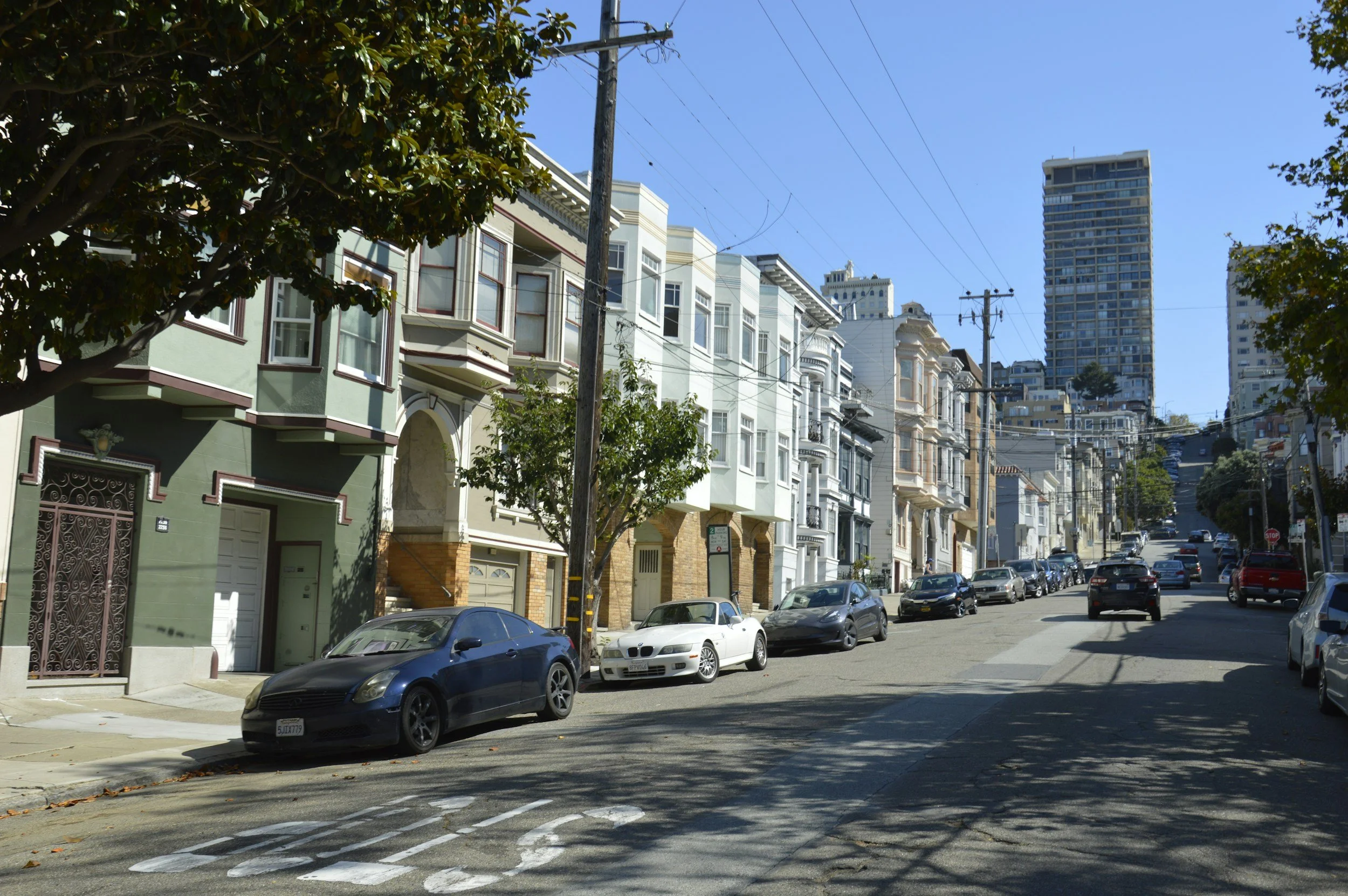
Case Study: Preparing a 14-Unit Bay Area Apartment Building for a Faster Sale
Challenge: Three siblings inherited a 14-unit apartment building in San Francisco from their father, who had managed it himself for decades. They lived in different states, needed to settle the estate, and had received a cash offer well below what they thought the building was worth. The records were incomplete, and no one was sure which rent increases had been properly documented.
Actions: I began with a full review of the rent roll and tenancy files, then helped the family confirm signing authority across the estate. Bay Property Group stepped in to manage day-to-day operations during the sale. With records organized and required inspections addressed, I priced the building on its verified income, prepared an offering memorandum, and presented it to vetted multifamily investors.
Result: The family reviewed multiple qualified offers and accepted one from a 1031 exchange buyer with a firm timeline. The sale closed escrow within a super-quick 25 days at a price well above the original cash offer, and every tenant remained in place.
Why Larger Apartment Building Sales Call for a Multifamily Specialist
Selling a 20-unit building has very little in common with selling a single-family home. The buyers are different, the financing is different, and more can go wrong in due diligence. Local rent regulations, the income analysis, tenant records, and lender requirements all have to line up for a sale to close on schedule.
I've specialized in rental income investment property across the San Francisco Bay Area for more than 15 years. My work as a real estate expert witness and landlord consultant, along with property management support through Bay Property Group, helps me identify the issues that can stall a sale while there's still time to address them.
With a larger building, one surprise in due diligence can cost you months of delays. My job is to find those issues first, so the buyer sees a professionally operated property and a sale that's ready to close.

Frequently Asked Questions about Selling Rental Property Fast
What is the Fastest Way to Sell a Rental Property in the Bay Area?
A direct sale to a cash buyer is usually the quickest route, often closing within weeks, but it typically comes at a discount. For many multifamily owners, I recommend a better balance: a well-prepared sale to qualified investors, priced on the building's income.
Do Cash Buyers Purchase Apartment Buildings?
Some do, but many fly-by-night "we buy houses" companies focus on smaller residential properties. For an apartment building, ask about the buyer's multifamily experience and proof of funds. Also compare the offer with what an income-focused investor might pay.
Can a Rent-Controlled Building Sell Quickly?
Yes. Rent control affects a building's income and its pool of buyers, but it doesn't prevent a sale. Clear records of each unit's status, rent history, and lease terms help buyers identify the property's investment opportunity with confidence.
How Long Does Escrow Take on an Apartment Building?
Timing depends on the contract and the buyer's financing. A cash purchase can close faster than a commercial loan, which requires lender underwriting. In my experience, a typical escrow in the San Francisco Bay Area takes 3 to 6 weeks.
Thinking of Selling Your Bay Area Apartment Building Fast? Start With a Confidential Consultation
Whether you're ready to sell now or simply want to understand your options, the first step is a complimentary private conversation about your property, your timeline, and your goals. I'll give you clear guidance with no obligation and no pressure.
Schedule your confidential consultation with me today.
Disclaimer: This article provides general information and isn't legal or tax advice. Always consult with your attorney and tax advisor about your situation.
References
CBRE Research: San Francisco Bay Area Multifamily, Q2 2026.
California Association of REALTORS®. September 2026 Home Sales and Price Report. October 19, 2026.
Fannie Mae. Toward an Understanding of Fannie Mae's Penetration of the Multifamily Housing Finance Market.
Matthews. San Francisco, CA Multifamily Market Report Q2 2026.
CRE Daily. Bay Area Apartment Demand Draws More Investor Capital.
City of Oakland. Inspections of Balconies, Decks, and Other Exterior Elements.
San Francisco Rent Board. Learn About San Francisco Rental Laws.
San Francisco Rent Board. Rent Ordinance Section 37.3 Was Amended Effective November 24, 2024.
Internal Revenue Service. Fact Sheet 2008-18: Like-Kind Exchanges Under IRC Section 1031.
